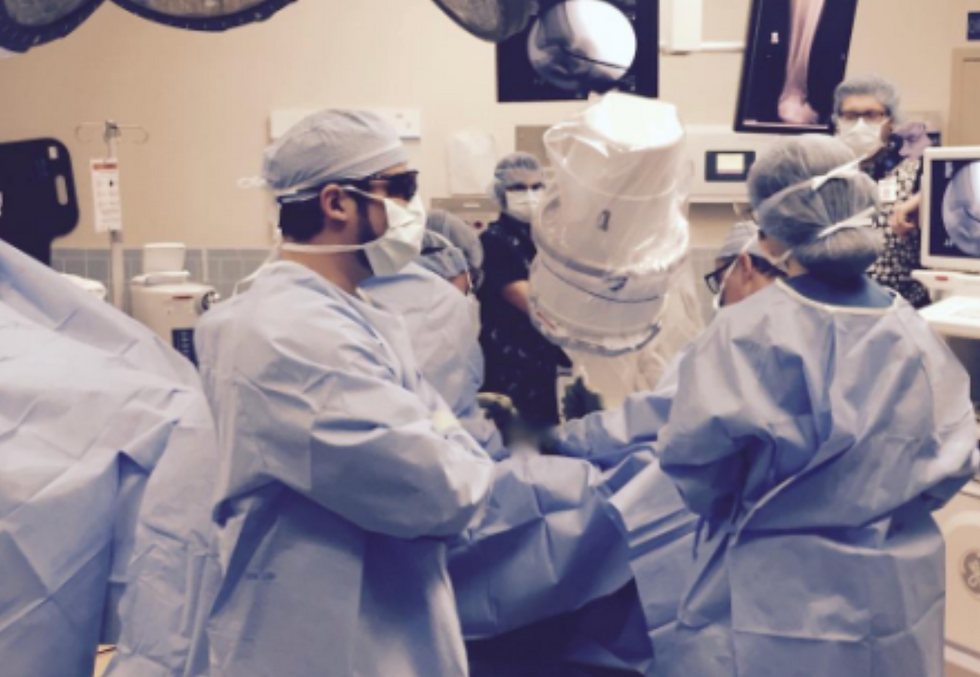
Every Position Matters: The Importance of Safe Surgical Positioning


Have you ever had a patient wake up from surgery and, within a few hours they complain of soreness or stiffness in an area where a procedure wasn't even performed? Positioning in the Operating Room (OR) is an important component of patient safety while patients are undergoing surgical procedures. Careful attention should be given to bony prominences and areas at risk for nerve damage due to possible prolonged pressure related to the length of the surgery.
Who Is At Risk?
The type of procedure and patient risk factors determine how to position the patient and areas to give careful consideration to. A few common positions in the OR include, but are not limited to, prone, lithotomy, supine with armboards, supine with arms tucked, beach chair, and lateral decubitus position. The positions that carry the highest risk factors are those requiring lithotomy and prone positioning.
Patients undergoing procedures that will last several hours are at risk for positioning injuries. Also, individuals who have comorbidities and increased body mass index (BMI) are at a higher risk of developing injuries related to positioning. Patients who have pre-existing pain in areas such as old shoulder injuries or chronic back pain can experience more soreness and stiffness in these areas postoperatively if the patient isn't positioned correctly.
Prevention
The first step in preventing positioning injuries in the OR is ensuring the OR staff is educated and aware of positioning injuries, how they occur, and measures to prevent them. It is important to assess patients and take measures prior to the patient being positioned in the OR and the patient going to sleep, to ensure they are comfortable. Measures such as a pillow under the knees can help decrease back pain, or avoiding overextension of an arm can prevent a damaged shoulder from further injury. Bony prominences and areas for possible nerve damage, such as the elbows when patients' arms are tucked, should be secured and padded to prevent pressure to the ulnar nerve.
Why It Matters
Proper positioning in the OR is important because it helps prevent nerve damage and pressure injuries. The patient can't reposition themselves or communicate discomfort during the procedure. Therefore, they depend on the OR team to advocate for their safety. It is essential for the OR team to assess for safe positioning prior to draping and during the procedure, if necessary, to ensure optimal postoperative outcomes.
Bentsen SB, Eide GE, Wiig S, Rustøen T, Heen C, Bjøro B. Patient positioning on the operating table and patient safety: A systematic review and meta-analysis. J Adv Nurs. 2025 Sep;81(9):5585-5602. doi: 10.1111/jan.16049. Epub 2024 Jan 7. PMID: 38186052; PMCID: PMC12371821.
Bjøro B, Mykkeltveit I, Rustøen T, Candas Altinbas B, Røise O, Bentsen SB. Intraoperative peripheral nerve injury related to lithotomy positioning with steep Trendelenburg in patients undergoing robotic-assisted laparoscopic surgery - A systematic review. J Adv Nurs. 2020 Feb;76(2):490-503. doi: 10.1111/jan.14271. Epub 2019 Dec 2. PMID: 31736124.
Assessed and Endorsed by the MedReport Medical Review Board