


Celiac Disease & The Gluten-Free Paradox: Is Your Diet Exposing You to Heavy Metals?

What is Celiac Disease?
Celiac disease is a severe hereditary autoimmune condition where the consumption of gluten promotes damage of the small intestine. Gluten is a protein that is found naturally in foods such as wheat, rye, and barley.
When people with celiac disease eat gluten, their immune system attacks the lining of the small intestine. As a result, the immune system damages the villi of the small intestine, which are tiny, finger-like projections that line the small intestine and help absorb nutrients.
The damage to the villi leads to the malabsorption of important nutrients, which leads to malnutrition. Malnutrition promotes many short-term and long-term health consequences, such as anemia, osteoporosis, neurological issues, and growth failure in children.

The Gluten Free Diet
Currently, there is no medical treatment or procedure that can cure or treat celiac disease. The only currently available treatment is a strict, lifelong, gluten free diet.
A gluten free diet entails the complete elimination of wheat, rye, and barley products. Some foods that are excluded in a GF diet include bread, pasta, baked goods, and beer.
These foods can be substituted with natural gluten-free grains and starches. To replicate the texture and convenience of gluten-containing foods, the gluten-free food producers rely heavily on alternative grains.
Rice and corn serve as the primary foundational ingredients for a majority of manufactured gluten-free processed foods, such as gluten-free breads, crackers, cereals, and pastas.
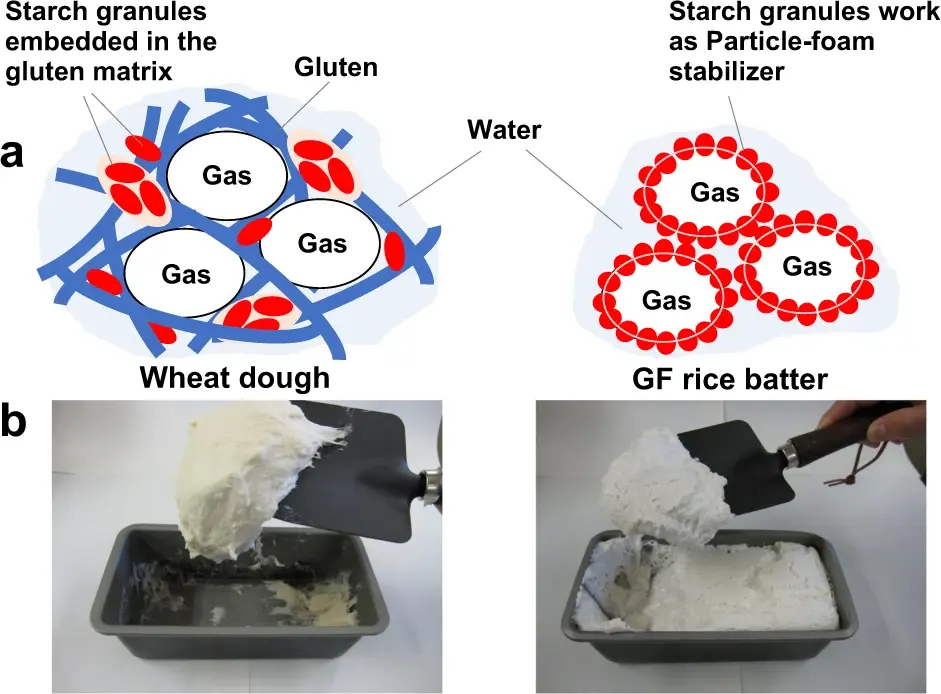
How the Gluten Free Diet Promotes Heavy Metal Accumulation
The paradox lies in how a gluten free diet affects the body. While a gluten-free diet heals intestinal lining and virtually eliminates symptoms of celiac disease, a great reliance on gluten-free food also exposes a person to chronic, low-level dietary exposure to environmental toxins.
Some substitute crops, such as rice, are greatly efficient at absorbing and accumulating toxic metals and metalloids from the soil and water where they are grown.
Rice is usually grown in flooded paddies, a condition that makes rice uniquely susceptible for absorbing inorganic arsenic and other heavy metals from the environment.

Scientific evaluations have analyzed blood and urine samples from study participants to analyze toxic metal accumulation. Research shows that people following a gluten-free diet have a much higher concentration of arsenic in their urine than people on a standard diet. Studies have also found elevated levels of other toxic metals in the blood, such as mercury, lead, and cadmium, in people with a gluten-free diet.

Conclusion
The findings from scientific studies show a need for greater awareness about the diversity of foods in a gluten-free diet.
Instead of over-relying on rice-based processed substitutes, people can benefit from diversifying their diet with other naturally gluten-free grains. These include quinoa, millet, buckwheat, and amaranth. Whole foods can also minimize heavy metal exposure.
Sources
“Arsenic in Gluten-Containing vs. Gluten-Free Foods | Celiac Disease Foundation.” Celiac Disease Foundation, 13 June 2018, celiac.org/2018/06/13/arsenic-in-gluten-containing-vs-gluten-free-foods-2/.
Bascuñán, Karla A, et al. Heavy Metal and Rice in Gluten-Free Diets: Are They a Risk? Vol. 15, no. 13, 30 June 2023, pp. 2975–2975, www.ncbi.nlm.nih.gov/pmc/articles/PMC10346754/#B32-nutrients-15-02975, https://doi.org/10.3390/nu15132975.
“Celiac Disease: Is There a Link with Environmental Chemicals and Metals?” Gastroenterology Advisor, 28 May 2024, www.gastroenterologyadvisor.com/features/celiac-disease-is-there-a-link-with-environmental-chemicals-and-metals/.
Celiac Disease Foundation. “What Is Celiac Disease?” Celiac Disease Foundation, Celiac Disease Foundation, 2025, celiac.org/about-celiac-disease/what-is-celiac-disease/.
“Gluten-Free Diet May Increase Risk of Arsenic, Mercury Exposure: Afshine Ash Emrani, MD, FACC: Cardiologist.” Laheartspecialists.com, 2026, www.laheartspecialists.com/blog/gluten-free-diet-may-increase-risk-of-arsenic-mercury-exposure.
News, Frontline Medical. “PM360.” PM360, 2 Apr. 2018, pm360online.com/gluten-free-diet-tied-to-heavy-metal-bioaccumulation/.
Raehsler, Stephanie L., et al. “Accumulation of Heavy Metals in People on a Gluten-Free Diet.” Clinical Gastroenterology and Hepatology, vol. 16, no. 2, Feb. 2018, pp. 244–251, www.sciencedirect.com/science/article/pii/S1542356517301866, https://doi.org/10.1016/j.cgh.2017.01.034.
Assessed and Endorsed by the MedReport Medical Review Board


