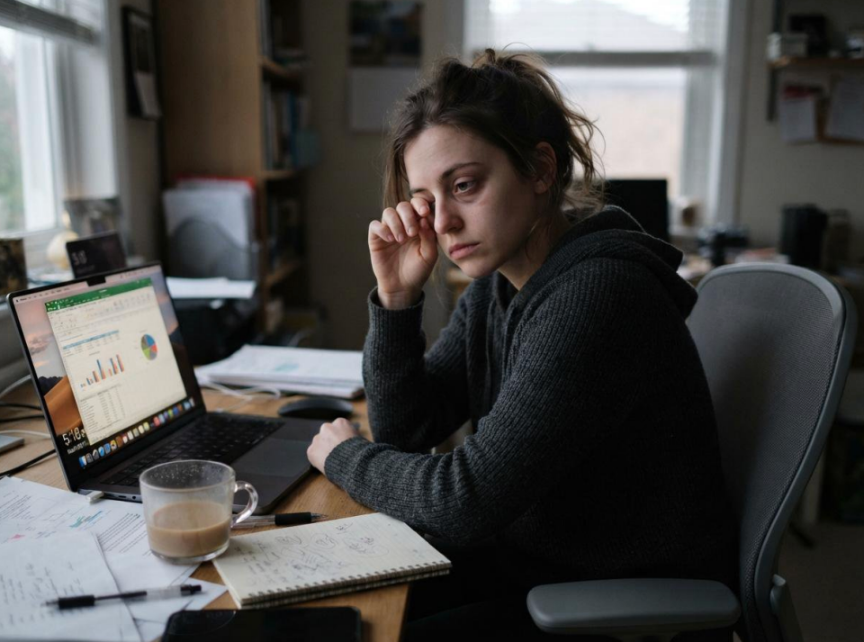
What is Anxiety? Signs, Symptoms, and When to Seek Help


Your heart feels like it is racing before an exam.
Your mind keeps on jumping to worst-case scenarios.
Your body feels tense, and you cannot relax, even when there is no real danger.
If these situations sound familiar to you, then you are not alone. These are common experiences and may be signs of anxiety.
Anxiety is a natural response to stress or perceived threat. Everyone feels anxiety at some point in their life. However, when anxiety becomes intense, long-lasting, or hard to control, it can interfere with the daily functioning of your life, relationships, work, and overall well-being. (1,2)
What is Anxiety?
Anxiety is a feeling of worry, fear, or uneasiness regarding future events or unclear situations. It is when the feeling lasts for weeks or even months and begins to impact your day-to-day activities that it becomes a medical issue. (2,3) Among the most frequent mental health disorders are anxiety disorders, which can impact people of any age, from infants to seniors. (1)
How Anxiety Affects the Body
Firstly, anxiety is manifested in the brain. The amygdala, which is responsible for the detection of danger, plays an important role in this process, and the anxiety spreads to other areas of the brain. The fight-or-flight reaction is then triggered through the autonomic nervous system as soon as the brain recognizes any sort of threat, whether real or imaginary. (4)
The body might undergo the following changes:
• Release of stress hormones, for instance, adrenaline and cortisol
• Acceleration of heartbeats and deepening of breaths
• Muscle tightness and heightened awareness.
The response assists us in escaping from threatening situations; however, its repeated or prolonged activation may impose stress on both the body and the mind. Eventually, this might cause the person to experience physical discomfort, tiredness, and emotional stress. (4,5)
Common Causes of Anxiety
A variety of factors can contribute to the development of anxiety. More specifically, the common factors are as follows:
Psychological stressors: pressure from the office, school or money worries (2)
Trauma: physical, psychological or emotional abuse, accidents or death of a loved one (6)
Health conditions: chronic disease or fear of getting sick
Lifestyle factors: irregular sleep pattern, too much caffeine and no exercise (7)
Genetic factors: someone in the family has suffered from anxiety disorders (3)
Triggers are different for every individual; what can be a trigger for anxiety in one person might not impact another the same way.
Common Signs and Symptoms of Anxiety
Anxiety can have an impact on the whole person; that is, it will probably manifest through the body, and it may also be noticed through behavior and thoughts.
Physical Symptoms
• Heart beating faster or palpitations
• Difficulty in breathing
• Muscle tightness
• Excessive sweating or shaking
• Nausea or pain in the stomach area
• Feeling drained (3,4)
Emotional Symptoms
• Unreasonable or unending concern
• Being easily annoyed
• Having a feeling of restlessness or being “on edge”
• Feeling nearly overwhelmed
• Fear that is there and not wanting to go anywhere, even if it has no reason (2)
Behavioral Symptoms
• Staying away from every stressful situation
• Problems with getting to sleep and remaining asleep
• Withdrawal from social interactions
• Always looking for reassurance from others (3)
Cognitive Symptoms
• Fast thinking
• Hard time in focusing attention
• Terror of getting crazy
• Negative or repetitive thoughts (6)
Types of Anxiety Disorders
Among the anxiety disorders, Anxious disorders that are frequently diagnosed are:
• Generalized Anxiety Disorder (GAD)
• Panic Disorder
• Social Anxiety Disorder
• Specific Phobias
Medical diagnosis and proper categorization can only be accomplished by a skilled healthcare expert. (3)
Anxiety Treatment
Anxiety management usually requires a blend of self-care techniques and professional intervention.
Breathing and Relaxation Techniques
One of the most effective methods to deal with anxiety is practice slow and deep breathing. As a result, the body's physical symptoms of anxiety are lessened as the nervous system becomes calmed. (4)
Physical Activity
Consistent physical activity has a positive impact on mental health as it results in lower anxiety and better moods. (7)
Mindfulness
The application of mindfulness techniques aids in focusing on the present and lessening unnecessary concerns about what is to come. (8)
Healthy Lifestyle Habits
Adequate sleep, a healthy diet, and the reduction of stimulants like caffeine all contribute significantly to the process of anxiety management. (7,9)
Social Support
Being around friends, family, or support groups can be a source of stress relief and emotional support. (6)
When to Seek Professional Help
If anxiety is:
• Present for a few weeks or months
• Interfering with daily life
• Triggering panic attacks
• Impacting sleep or causing loss of appetite
• Leading to withdrawal from normal life situations. (1,3)
Then it is probably time to get help from a mental health professional. They can offer therapy, provide coping strategies, and prescribe medication if necessary.
Conclusion
Anxiety is a natural human phenomenon, but if neglected, it can greatly influence one's quality of life. Understanding the mechanism of anxiety, recognizing the signs at an early stage, and asking for help in time will result in more and better outcomes. Anxiety is treatable and manageable with the right support and good practices based on scientific research. (1,2)
References
World Health Organization: WHO. Anxiety disorders. Published September 8, 2025. https://www.who.int/news-room/fact-sheets/detail/anxiety-disorders.
American Psychological Association. (n.d.). Anxiety. Published April 19,2025. https://www.apa.org/topics/anxiety/.
Anxiety disorders. National Institute of Mental Health (NIMH). https://www.nimh.nih.gov/health/topics/anxiety-disorders
Harvard Health. Understanding the stress response. Harvard Health. Published April 3, 2024. https://www.health.harvard.edu/staying-healthy/understanding-the-stress-response
McEwen BS. Physiology and neurobiology of stress and adaptation: central role of the brain. Physiological Reviews. 2007;87(3):873-904. doi:10.1152/physrev.00041.2006
National Alliance on Mental Illness - Metro-Oakland, Wayne, and Macomb Counties. Anxiety Disorders - NAMI - National Alliance on Mental Illness. NAMI - National Alliance on Mental Illness. Published January 31, 2019. https://namimetro.org/mental-illness/anxiety-disorders/
Stubbs B, Koyanagi A, Hallgren M, et al. Physical activity and anxiety: A perspective from the World Health Survey. Journal of Affective Disorders. 2016;208:545-552. doi:10.1016/j.jad.2016.10.028
Hoge EA, Bui E, Marques L, et al. Randomized controlled trial of mindfulness meditation for generalized anxiety disorder. The Journal of Clinical Psychiatry. 2013;74(08):786-792. doi:10.4088/jcp.12m08083
Medic G, Wille M, Hemels M. Short- and long-term health consequences of sleep disruption. Nature and Science of Sleep. 2017;Volume 9:151-161. doi:10.2147/nss.s134864
Assessed and Endorsed by the MedReport Medical Review Board