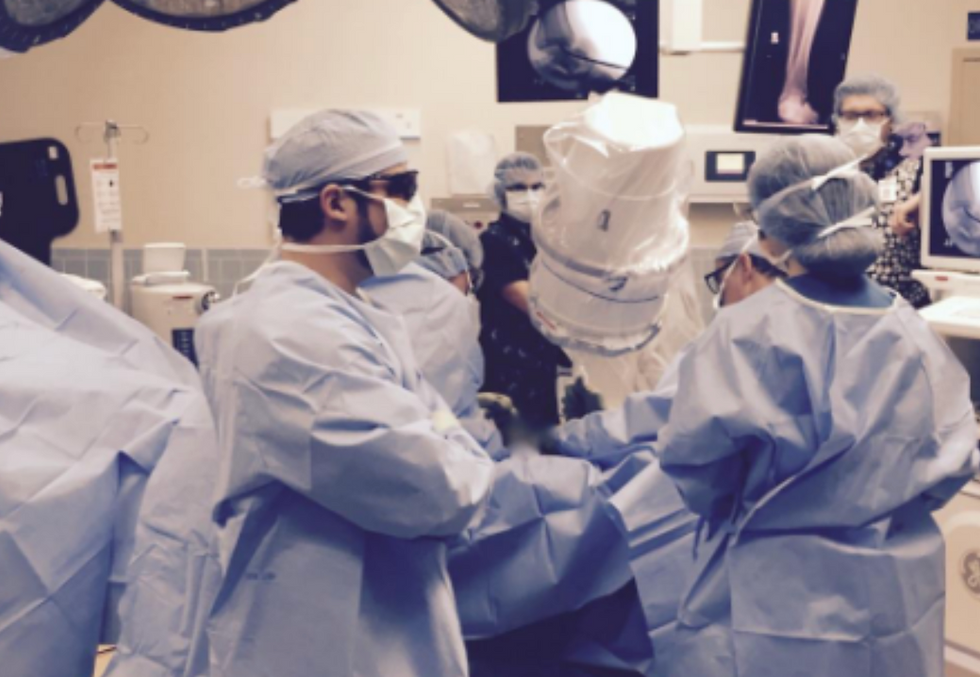
The Surgeon’s New Hands: Inside Robotic Surgery


Robotic surgery is a modern extension of minimally invasive surgery that combines medicine, robotics, and engineering. It allows surgeons to operate with enhanced precision, especially in complex procedures and small anatomical spaces. Rather than replacing surgeons, these systems act as controlled extensions of human movement, improving accuracy while reducing complications.
How Robotic Surgery Works
At the center of robotic surgery is a system made up of a surgeon’s console and robotic arms connected through a computer. The surgeon sits at the console and views the surgical field through a high-definition 3D camera placed inside the patient’s body.
Using hand controls, the surgeon’s movements are translated into precise, real-time actions by robotic arms positioned over the patient. These arms contain micro-joints that allow detailed manipulation of surgical instruments. The system also filters out hand tremors, improving stability and control during delicate procedures.
Where It Is Used
Robotic surgery has had a major impact in urology, particularly in procedures for prostate, kidney, and bladder conditions. However, its use extends far beyond this field. It is now applied in neurosurgery, orthopedics, gynecology, ear, nose, and throat procedures, cardiothoracic surgery, and general surgery. These applications range from tumor removal and joint replacements to cardiac repairs and complex reconstructive procedures. While some areas continue to rely on traditional methods, robotic techniques are steadily expanding across specialties.
Why It Matters: Key Advantages
Robotic surgery offers several important benefits compared to traditional and laparoscopic approaches. Surgeons gain a clearer, magnified 3D view, improving depth perception and accuracy. The robotic instruments also provide a greater range of motion than standard tools, making complex procedures more manageable.
For patients, this often means less pain, reduced blood loss, smaller scars, and shorter hospital stays. Recovery times are generally faster, and the risk of complications such as infections and blood clots is lower. In some cases, robotic surgery has been shown to significantly reduce hospital readmissions.
Limitations and Risks
Despite its advantages, robotic surgery is not without challenges. One major issue is cost. The machines themselves can cost millions of dollars, along with ongoing maintenance and training expenses.
There are also technical and clinical concerns:
Lack of tactile feedback can lead to excessive force on tissues
Longer operation times in some cases
Risk of mechanical failure, though uncommon
Steep learning curve for surgeons
In some procedures, studies have shown no clear advantage over traditional laparoscopic surgery.
Training the Modern Surgeon
Robotic surgery requires structured and specialized training. Surgeons must first learn the system components and basic laparoscopic skills before advancing to console operation.
Training often involves simulation tools, including virtual reality platforms that replicate real surgical scenarios. These systems allow surgeons to practice skills such as suturing, dissection, and instrument control in a controlled environment. Performance is assessed using standardized tools that evaluate precision, efficiency, and control.
Looking Ahead
Future developments in robotic surgery are closely tied to artificial intelligence and machine learning. Emerging systems may be able to analyze surgical performance, predict outcomes, and assist in decision-making during procedures. There is also ongoing research into increasing the autonomy of robotic systems, although fully independent surgical robots are not yet a reality. More data and validation are needed before these technologies can be widely adopted.
Conclusion
Robotic surgery represents a significant advancement in modern medicine, offering improved precision and better patient outcomes in many cases. While challenges such as cost and training remain, continued technological innovation is likely to expand its role in healthcare. As systems become more advanced, robotic surgery may further transform how complex procedures are performed.
References
Rivero-Moreno, Y., Echevarria, S., Vidal-Valderrama, C., Pianetti, L., Cordova-Guilarte, J., Navarro-Gonzalez, J., Acevedo-Rodríguez, J., Dorado-Avila, G., Osorio-Romero, L., Chavez-Campos, C., & Acero-Alvarracín, K. (2023). Robotic surgery: A comprehensive review of the literature and current trends. Cureus, 15(7). https://doi.org/10.7759/cureus.42370
Assessed and Endorsed by the MedReport Medical Review Board