The Epigenetics of Heavy Metals: our Brain Might be Marked by Something we were Unaware Of

In our modern society, we have come to take technology, and the materials that make it up, for granted. Despite our marvelous inventions as a species, there are many occasions when we forget what we might define as biological nature, and more than just a metaphor, what I mean by this is that it is curious that many things we use daily without a second thought are the result of highly complex industrial processes that clearly involve raw materials; in the case of our electronic devices, those raw materials are primarily a variety of metals.
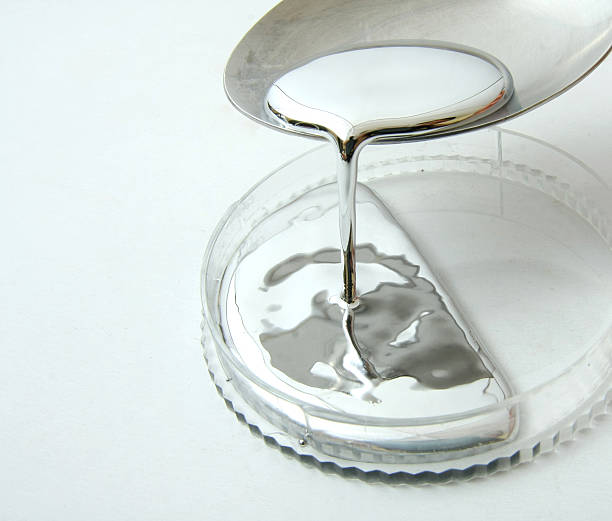
Not All Metals Are Created Equal
Paper, steel, and glass are materials that can be produced through relatively simple manufacturing processes; they are largely inert, and we don’t usually see much of a problem interacting with them because, so far, it hasn’t been proven that they have harmful effects on humans that could be caused by daily use, but another thing we don’t think about is heavy metals, particularly lead, which is already well known, but also cadmium, mercury, and manganese. At particularly high or long-term exposure levels, let’s remember that “the dose alone makes the poison,” as recent research suggests that these metals which were already known to have neurotoxic effects, could have epigenetic influences.
A Backdoor Into the Brain
According to Omamuyovwi et al. (2020), we are exposed to heavy metals through contaminated food, air, and water. This poses a problem for our biology; our brain, like any other organ, requires essential metals, and therefore we have messenger molecules specifically tasked with crossing the brain’s final filter from the circulatory system, the blood-brain barrier. These heavy metals cross this barrier in a way that mimics the transport of these essential metals, subjecting certain parts of the brain to chronic toxicity.
Mercury: The Plague That Outlives Us
The most concerning of these is mercury. Not only does it reduce overall methylation, but it is also capable of causing transgenerational effects, altering regions of differential methylation that persist, like an unrelenting plague, all the way to the F2 generation. This ultimately manifests as hyperactivity and visual impairments. A measurable change in human capabilities should concern us in ways we may not fully understand even today. We know the effects on some of the next generations, but if we continue to implement more and more electronic and chemical solutions into our lives, perhaps a future will come where hyperactivity is the least of our problems. We know the effects of “classic” neurotoxins on the brain, but we do not know for certain how they are epigenetically modulating our genetic code beyond the foreseeable future, how certain individuals with their respective SNPs react to these metals, or even whether these metals may have genotoxic effects or specifically produce pathogenic variants.
What We Know, and What Should Keep Us Awake
Although science hasn’t yet answered many of the questions we have, it’s important not to panic or throw your computer out the window. Most of us aren’t exposed to airborne particles of these metals, and in developed countries is uncommon to have unsafe water supplies. For now, being cautious is the best advice we can offer in this case; keeping track of whether something might be dangerous is the best way to determine if it’s really as bad as future results suggest.
Bibliography
Ijomone, Omamuyovwi M., Olayemi K. Ijomone, Joy D. Iroegbu, Chibuzor W. Ifenatuoha, Nzube F. Olung, and Michael Aschner. “Epigenetic Influence of Environmentally Neurotoxic Metals.” NeuroToxicology 81 (December 2020): 51–65. https://doi.org/10.1016/j.neuro.2020.08.005.
Caito, Samuel, and Michael Aschner. "Neurotoxicity of Metals." In Handbook of Clinical Neurology, 169–189. Elsevier, 2015. https://doi.org/10.1016/b978-0-444-62627-1.00011-1.
Farina, Marcelo, Daiana Silva Avila, João Batista Teixeira da Rocha, and Michael Aschner. "Metals, Oxidative Stress and Neurodegeneration: A Focus on Iron, Manganese and Mercury." Neurochemistry International 62, no. 5 (April 2013): 575–594. https://doi.org/10.1016/j.neuint.2012.12.006.
Assessed and Endorsed by the MedReport Medical Review Board