


Cardiac Stress Tests: Understanding How the Heart Reacts to Activity

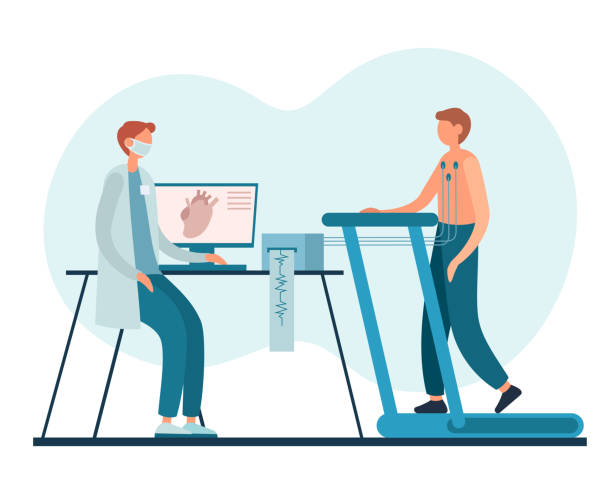
Image Credit: iStock
What Is a Cardiac Stress Test?
A cardiac stress test evaluates how well the heart functions when it is working harder than usual. By monitoring the heart during physical activity or with medication that mimics exercise, healthcare providers can assess blood flow, heart rhythm, and overall cardiac performance.
What the Test Evaluates
During a stress test, healthcare providers observe how the heart responds to increased demand. This includes:
Heart rate and rhythm
Blood pressure changes
Blood flow to the heart muscle
Symptoms such as chest pain, shortness of breath, or dizziness
These responses help identify issues that may not be as visible when the body is at rest.
Types of Cardiac Stress Tests
There are several forms of stress testing, depending on a patient’s ability and clinical considerations:
Exercise stress test: walking or running on a treadmill while heart activity is monitored
Pharmacologic stress test: medication is used to simulate exercise for those unable to walk
Stress imaging tests: such as stress echocardiograms or nuclear stress tests, which provide images of heart function
Each type offers different levels of detail about heart health.
What to Expect During the Test
For an exercise stress test, electrodes are placed on the chest to monitor heart activity while you walk on a treadmill that gradually increases in speed and incline. The test continues until a target heart rate is reached or symptoms develop.
The test is carefully supervised, and providers watch for any concerning signs. Most people can resume normal activities shortly afterward.
How Results Are Interpreted
Results help determine whether the heart is receiving enough blood and oxygen during activity. Findings may suggest:
Normal heart function
Reduced blood flow to part of the heart
Abnormal heart rhythms triggered by exercise
Results are interpreted in context with symptoms, medical history, and other diagnostic tests.
When a Stress Test Is Recommended
A cardiac stress test may be ordered to:
Evaluate chest pain or shortness of breath
Assess risk for coronary artery disease
Monitor known heart conditions
Determine safe exercise levels
It can also be used to track changes in heart health over time.
Supporting Heart Health
Regardless of test results, heart-healthy habits remain important:
Regular physical activity as recommended
Managing blood pressure and cholesterol
Eating a balanced, heart-healthy diet
Following prescribed medications
Stress tests provide valuable insight into how the heart performs under pressure and help guide care in a safe, controlled way.
Sources
“How to Prepare for Your Stress Test.” St. Charles Health System, stcharleshealthcare.org/services/cardiology/cardiac-stress-test/how-prepare-your-stress-test. Accessed 20 Jan. 2026.
Khan, Mataf. “Signs You Need a Stress Test: Symptoms, Risks, and Preparation.” Wyckoff, 11 July 2025, whmcny.org/blog/cardiology/stress-test-signs/.
professional, Cleveland Clinic medical. “Stress Test: Purpose, Procedure, Risks and Results.” Cleveland Clinic, 15 Oct. 2025, my.clevelandclinic.org/health/diagnostics/16984-exercise-stress-test.
“Stress Test.” Mayo Clinic, Mayo Foundation for Medical Education and Research, 7 Jan. 2025, www.mayoclinic.org/tests-procedures/stress-test/about/pac-20385234.
Vilcant, Viliane. “Treadmill Stress Testing.” StatPearls [Internet]., U.S. National Library of Medicine, 20 June 2023, www.ncbi.nlm.nih.gov/books/NBK499903/.
Assessed and Endorsed by the MedReport Medical Review Board


