Burned Out and Overwhelmed: The Modern Parent’s Struggle

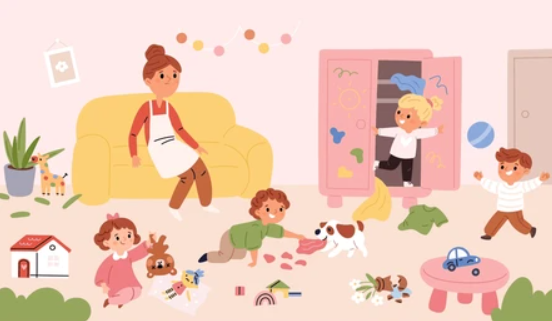
Parental burnout is a state of chronic emotional, physical, and mental exhaustion caused by the ongoing demands and stresses of parenting. It’s not just being tired — it’s constantly feeling overwhelmed, detached, and ineffective as a parent.
It is often characterized by:
~Emotional Exhaustion:
Feeling overwhelmed, drained, and emotionally depleted.
Feeling unable to cope with the demands of parenting.
~Depersonalization:
Feeling detached from children, experiencing a loss of emotional connection.
Feeling like a failure as a parent.
~Reduced Accomplishments:
Feeling incompetent and unable to meet the needs of children.
Neglecting or withdrawing from parenting responsibilities.
How is Parental Burnout different from everyday stress?
Parental Burnout is a long-term condition that stems from prolonged stress, whereas everyday stress is a temporary response to a challenge that usually resolves once the event has passed.
Everyday Parental Stress:
Temporary: A bad day, or a sleepless night.
Recoverable: You generally bounce back once the situation improves.
Overwhelm: Feeling that parenting demands exceed your resources, but without total depletion.
Normal Emotions: Still experiencing joy and connection, even amidst the challenges.
Parental Burnout:
Chronic & Lingering: A persistent feeling of being drained, anxious, and feeling behind.
Emotional Distance: Feeling disconnected from children, where interactions feel like obligations rather than joy.
Loss of Effectiveness: A constant feeling that nothing you do as a parent is "enough".
Sense of Self Lost: Neglecting personal well-being and hobbies, feeling a loss of who you are outside of parenting.
Impact on Family: Can lead to increased conflict and tension within the household.
Increased Risk of Neglect/Violence: Severe burnout is linked to higher rates of neglectful or violent behaviors towards children.
Statistics:
In recent studies, it has been shown that fifty-seven percent (57%) of parents self-reported burnout in a survey of 700 parents nationwide. During the pandemic, the number increased by 10%, resulting in 66% of parents experiencing it.
Social media often promotes unrealistic expectations of what parents should or should not do, creating an idealized image of the "perfect" parent. This overlooks the real challenges many families face, such as financial difficulties or children with special needs. Every family's situation is unique.
What are the Psychological & Developmental Consequences for Children?
Increased anxiety
Depression
Loneliness
Aggression
Attachment issues
Self-harm
Addiction
Solution to the Burnout:
Parental burnout is real, but it can be managed. Here are some practical ways for modern families to handle stress, reconnect with their children, and rediscover the joy of parenting:
Communicate your feelings
~ Let someone know the hardship you're going through; they can step in and help you in your journey of being a parent.
Self-Care
~ One of the main reasons Parental Burnout happens is that parents focus too much on their kids and forget about themselves. Give yourself time to do what you like.
Set Realistic Expectations
~ In the rise of social media and digital marketing, expectations are rising so much that it’s soon becoming unrealistic and taking out the joy of being a parent to your kids. Set realistic standards that you can meet and that are beneficial for your kids.
References:
Assessed and Endorsed by the MedReport Medical Review Board