


Breaking the silence on noise pollution
Less visible but no less dangerous...
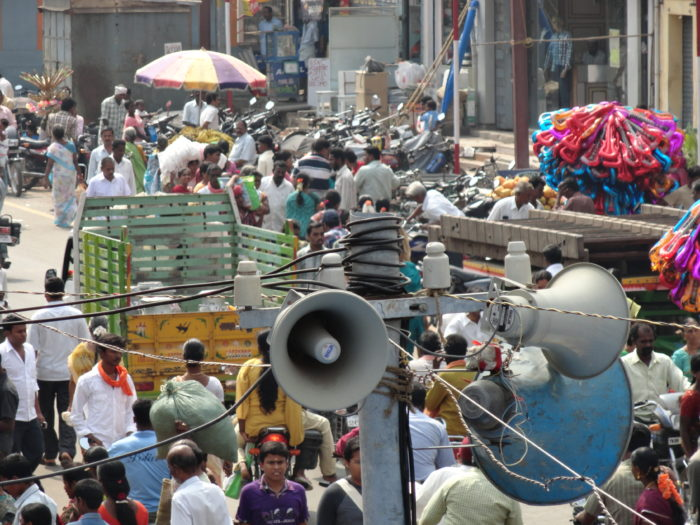
Though not as visible as the smoky skies of air pollution or the haze of light pollution, noise pollution (aka environmental and sound pollution) is invisible but still devastating to human health. Normally measured in decibels, noises louder than 85 dB can be detrimental over a period of time. Noise pollution has been shown to cause stress, worsen mental health, trigger problems with cognition, and disturb sleep, among many others.
This problem is not new. In 1981, the Environmental Protection Agency (EPA) revealed that ½ of people in the United States lived in regions exposed to traffic noise so substantial that it was detrimental to their health. And recently, in 2020, a report by the European Environment Agency found that each year, noise was associated with around 48,000 newly diagnosed with heart disease and 12,000 premature deaths in Europe.
Noise pollution is made up of many categories:
Environmental Noise Pollution - results from natural occurrences. Includes natural phenomena (e.g., volcano eruptions and earthquakes) and biological noise, which are noises made by wildlife. This can be in the form of animal calls and weather, such as wind.
Man-Made Noise Pollution - most common, caused by humans and technology, especially in industrial regions. Includes industrial noise (from machinery that causes loud noises from, for example, factories and construction sites), transportation noise (e.g., from railways, maritime, and road traffic), household noise, and social and recreational noise (e.g., from concerts, bars, and social functions).
Occupational Noise Pollution - workers hold jobs that force them to be close to high levels of noise. Includes transportation hubs (e.g., train stations and air ports), industrial spaces (construction sites and sawmill facilities), and media and entertainment (theaters and studios).
Residential Noise Pollution - undesired sources of noises in neighborhoods. Includes external sources like noises from neighbors and the road and internal sources such as TVs and loud fans.
Marine Noise Pollution - impacts marine life, especially organisms which are dependent on sound to navigate their surroundings and communicate with others. Includes shipping and maritime activities (e.g., noise from ships and naval sonar systems), seismic surveys, and underwater construction.
Since federal policy is not in favor of systematic noise modeling, researchers are finding it hard to figure out the effects of noise on health. Nevertheless, as researchers make progress, clinicians will be more able to prescribe solutions.
References
Biddle, Jennifer. "How noise pollution quietly affects your health." Center for Occupational and Environmental Health, Regents of the U of California, Davis campus, 2 June 2025, coeh.ucdavis.edu/research/how-noise-pollution-quietly-affects-your-health.
Dutchen, Stephanie. "Noise and Health." Harvard Medicine, 2022, magazine.hms.harvard.edu/articles/noise-and-health.
Javed, Badar. "What's Noise Pollution? Types, Causes, and Prevention." Hseblog, 26 Oct. 2024, www.hseblog.com/noise-pollution/.
Assessed and Endorsed by the MedReport Medical Review Board


