


What Do We Know About Hantavirus

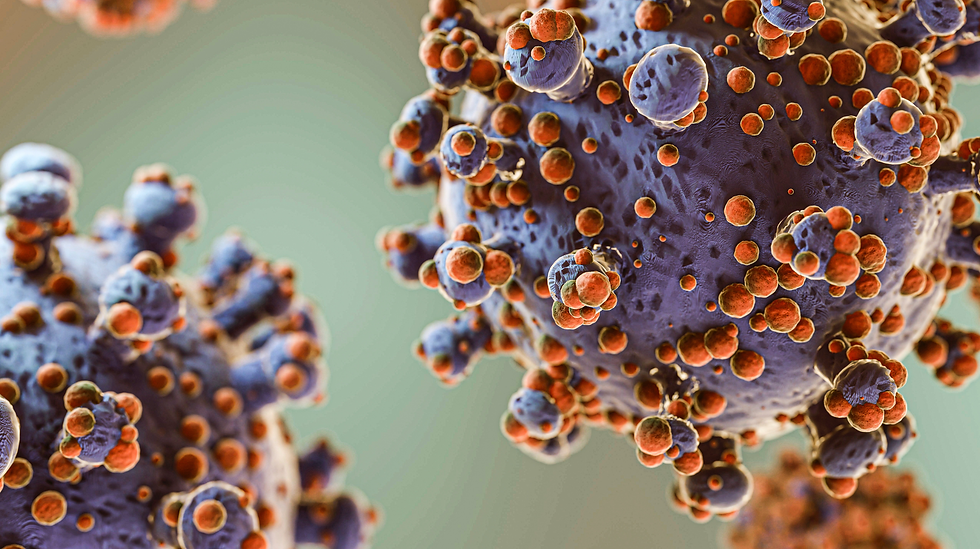
Image credit: Freepik
News of severe respiratory illness, including two deaths and a critically ill passenger, aboard the Dutch-flagged cruise ship MV Hondius was reported to the World Heath Organization (WHO) on May 2nd 2026. Subsequently, total of eleven cases including three deaths were reported on May 11th 2026. Among the eleven cases reported, eight cases were confirmed in the laboratory for hantavirus infection, two cases were considered probable, and one case was reported inconclusive. Although this recent outbreak has brought hantaviruses to the limelight, they have been around for just as long as wild rodents have.
What are Hantaviruses?
Hantaviruses are a group of viruses that can spread to human when they come in contact with the urine, droppings, and saliva of rodents such as mice and rats. Rarely does hantavirus spread to humans through rodent bites or scratches. Hantaviruses are known to cause two syndromes:
Hantaviruses in the western hemisphere, including the United States, cause Hantavirus Pulmonary Syndrome (HPS) which affects the lungs and spreads through deer mice.
In Europe and Asia, hantaviruses cause Hemorrhagic Fever With Renal Syndrome (HFRS) which affects the kidneys.
How do you know if you have Hantavirus infection?
Hantavirus symptoms begin to appear at least one week after viral exposure but can take up-to eight weeks to appear.
Symptoms of Hantavirus Pulmonary Syndrome:
Initially flu-like symptoms appear including fever, chills, muscle pain, fatigue, and headache.
Subsequently, patients may develop abdominal pain, nausea, vomiting, or diarrhea.
With time, in about 4 to 10 days patients may develop cough and shortness of breath that can worsen and cause critical illness.
Symptoms of Hemorrhagic Fever With Renal Syndrome:
Patients initially show flu-like symptoms including fever, chills headache, back pain, and nausea. Some patients may then go on to develop blurry vision, redness in the eyes, rash, and facial flushing.
Patients may develop severe symptoms of internal bleeding, low blood pressure, and kidney failure with time.
How can you reduce the risk and protect yourself?
The best way to prevent hantavirus infection and protect yourself is to minimize contact with rodents. Keep your house clean, seal any holes in your home, and place traps to prevent rodents from entering. If you have pet rodents, they should be tested for hantavirus and kept away from wild rodents. Care should be taken when cleaning areas infested with rodent droppings, urine, and saliva. Disinfecting the area with bleach first before mopping.
Diagnosis, Treatment, and Recovery
Initial diagnosis of hantavirus is often difficult. Early symptoms such as fever, chills, headache, muscle pain, and fatigue can easily be confused with flu. Nevertheless, if you suspect you have had a potential rodent exposure, and have symptoms of hantavirus infection you should contact your doctor immediately. Although, there is no specific treatment for hantavirus early diagnosis along with supportive care, rest, and hydration are important to avoid critical illness and successfully recover.
Key takeaways
Hantaviruses are a family of viruses that spread from rodents to humans and can cause serious illness and death.
These viruses can be harmful to your lungs ( Hantavirus Pulmonary Syndrome) and kidneys (Hemorrhagic Fever With Renal Syndrome).
Hantavirus infection can be prevented by reducing exposure to rodents.
Early diagnosis is important to avoid critical illness.
Sources:
Assessed and Endorsed by the MedReport Medical Review Board


