Music: More Than Just Melodies - A Scientific Guide to Understanding Its Effect on Your Nervous System

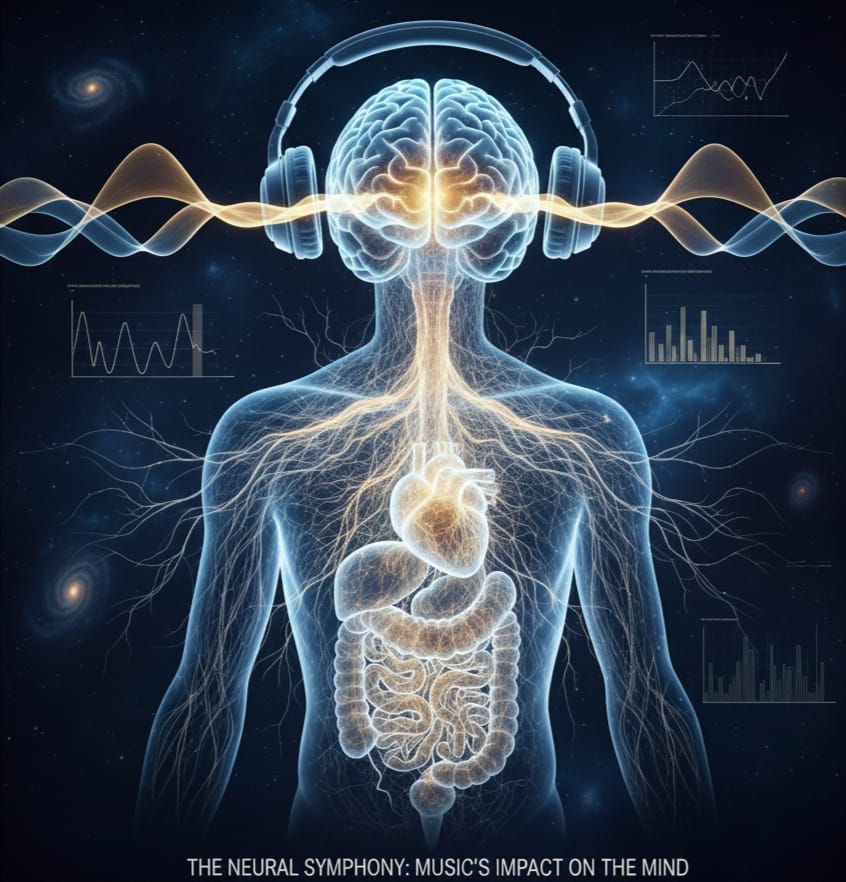
When we listen to our favorite tune, we might feel a shiver run down our spine, a sense of calm and peace, or perhaps we are transported back to a forgotten memory. These feelings are not just fleeting emotional reactions; they are a direct reflection of music's profound and complex impact on our nervous system. From soothing nerves to stimulating the brain, scientific research is unveiling a powerful relationship that transcends music as mere art, positioning it as an influential tool for our psychological and neurological health. This guide delves into the science of music's effect on the nervous system, from its intricate mechanisms to its practical applications in daily life.
The Mind's Symphony: Defining Music's Neurological Footprint
Music's effect on the nervous system is a comprehensive phenomenon encompassing the brain's and entire nervous system's response to organized auditory stimuli. As sound waves enter the ear, they are converted into electrical signals that travel via the auditory nerve to the brain. There, processing is not confined to the auditory cortex alone but extends to vast neural networks responsible for emotion, memory, movement, and reward. This complex interplay is what transforms simple vibrations into profound emotional and physical experiences.
The Neural Choreography: How Your Brain Dances to a Melody
The story begins when our eardrum vibrates. These vibrations are just the start of a complex journey deep within our nervous system, where a intricate choreography unfolds:
1. From Vibration to Signal (The Auditory Pathway): Vibrations reach the cochlea in the inner ear, which transforms them into electrical signals. These signals travel through the brainstem to the auditory cortex in the temporal lobe, where the fundamental elements of music, such as pitch and rhythm, are first decoded.
2. The Emotional Resonance (Limbic System Engagement): Here lies the real secret. From the auditory cortex, signals branch out to the limbic system, the brain's emotional and memory center. Music activates the amygdala (responsible for strong emotions) and the hippocampus (responsible for memory). This is why a specific song can make us cry or laugh, and why certain melodies are indelibly linked to profound personal memories.
3. The Brain's Chemical Orchestra (Neurotransmitter Release): In response to music, the brain releases a symphony of neurotransmitters:
· Dopamine: Associated with the brain's reward system, it is released when anticipating a pleasurable musical moment or reaching its peak, causing feelings of pleasure and euphoria.
· Serotonin and Endorphins: Music can increase the release of these substances, improving mood, alleviating pain, and promoting a sense of relaxation and well-being.
· Cortisol Reduction: Listening to calm music has been shown to lower levels of the stress hormone cortisol in the body, helping to calm the nervous system and reduce anxiety.
Decoding the Response: How Scientists Map Music on the Brain
Music's impact is not "diagnosed" as a condition but is measured and studied using precise scientific tools. Researchers utilize a variety of methods to visualize and quantify this invisible influence:
· Functional Neuroimaging: Such as functional magnetic resonance imaging (fMRI) and positron emission tomography (PET scans). These techniques allow scientists to observe which brain areas are activated while listening to music in real-time, confirming the involvement of multiple regions like the limbic system and motor cortex.
· Electroencephalography (EEG): Measures the brain's electrical activity and reveals music's effect on brainwaves, such as promoting alpha and theta waves associated with relaxation and meditation.
· Physiological Measurements: Monitoring changes in heart rate, blood pressure, breathing rate, and galvanic skin response (related to sweating) during music exposure, as evidence of the autonomic nervous system's response.
The Therapeutic Philosophy: Harnessing Harmony, Not Writing a Prescription
It's important to understand that music is not a traditional drug, but it is a powerful tool for neural stimulation and modulation. Music-based therapies aim to harness music's innate ability to improve neurological and psychological functions, especially when integrated with other treatments. The goal is not to "cure" with a song, but to stimulate, soothe, and retrain the brain.
Practical Applications: Integrating Music into Daily Wellness
1. Relaxation and Stress Reduction: Listening to calm, slow music (around 60 beats per minute) can help synchronize heart and breathing rates with its rhythm, stimulating the parasympathetic nervous system (responsible for rest and relaxation) and lowering stress.
2. Improving Cognitive Performance and Focus: Classical music or ambient sounds (like nature) can enhance concentration for some individuals during work or study. This is sometimes referred to as the Mozart effect (though its effect is limited and temporary), where music stimulates neural pathways associated with attention and planning.
3. Motor Therapy and Rehabilitation: Musical rhythm is effectively used in treating patients with Parkinson's disease or those recovering from strokes. A strong beat helps stimulate motor circuits in the brain, improving gait, balance, and motor control.
Advanced Interventions: Music Therapy in Clinical Practice
Certified music therapists employ specific techniques tailored to individual needs:
· Musical Improvisation: Allows the patient to express their feelings and experiences through a musical instrument, aiding in processing trauma and improving emotional communication in individuals with autism or depression.
· Song Analysis and Lyric Writing: Used to help patients understand their emotions and experiences, fostering insight and problem-solving skills.
· Singing and Melodic Intonation Therapy: Used in treating patients with aphasia (loss of speech ability after a stroke) by stimulating language areas in the right hemisphere of the brain to compensate for damage in the left hemisphere.
When Music Becomes Medicine: Recognizing the Need for Professional Guidance
While listening to music is safe for everyone, there are cases where intervention from a qualified music therapist, psychiatrist, or neurologist can be highly beneficial, especially when seeking a therapeutic effect for a diagnosed condition. Consult a specialist if you or a loved one experiences:
· Chronic Neurological Diseases: Such as dementia (Alzheimer's), Parkinson's disease, or Huntington's disease, where music can improve quality of life, cognitive function, and motor skills.
· Severe Psychological Disorders: Such as treatment-resistant depression or post-traumatic stress disorder (PTSD), where music therapy can help access repressed emotions.
· Communication and Social Interaction Difficulties: Especially in children with autism spectrum disorder, where music provides an effective non-verbal communication medium.
· Chronic Pain: Where music can help manage pain by distracting attention and stimulating the release of endorphins, the body's natural painkillers.
In these cases, a specialist will help develop a music therapy program tailored specifically to your needs and therapeutic goals.
A Lifelong Playlist: Cultivating a Lasting Relationship with Music for Brain Health
Music's effect on our nervous system is a constant and accessible companion for everyone. No prescription is needed to harness its power to improve mood, calm nerves after a long day, or stimulate the mind during work. We can all build our own personal "musical prescription." Success lies in being aware of this effect and consciously using music as a tool for self-care, making it an integral part of our daily routine to enhance our neurological and psychological well-being throughout our lives.
Sources:
· National Institutes of Health (NIH) USA. (2023). Music and the Brain. https://www.nih.gov/news-events/nih-research-matters/music-brain
· Harvard Medical School. (2021). Why does music evoke emotions? https://www.health.harvard.edu/blog/why-does-music-evoke-emotions-202107142550
· World Federation of Music Therapy (WFMT). (2022). What is Music Therapy? https://www.wfmt.info/about-wfmt/what-is-music-therapy
By: Hasan Mahfouz
Assessed and Endorsed by the MedReport Medical Review Board