


🩸 Iron Imbalance: When Too Little and Too Much Are Both Dangerous

Iron sits at the heart of our biology. It’s a vital mineral that fuels red blood cell production, supports brain development, and powers every cell’s energy metabolism. But like most things in medicine, too much or too little can tip the balance from healing to harm.
Iron deficiency remains one of the world’s most common nutritional problems, while iron overload, though less discussed, can quietly damage the same organs it was meant to protect. Understanding both sides of this mineral’s story is key to maintaining lifelong health.
The Essential Role of Iron
Iron’s most critical job is in hemoglobin, the oxygen-carrying protein in red blood cells. Without adequate iron, hemoglobin can’t form properly, and the body struggles to transport oxygen. The result? Fatigue, dizziness, pale skin, headaches, shortness of breath, and an inability to concentrate.
Iron also plays a role in neurological development, immune defense, and DNA synthesis. It’s why infants, teenagers, and pregnant individuals, all groups experiencing rapid growth or increased oxygen needs, require more of it.
Yet iron is a tricky nutrient: the body absorbs it only in small amounts and has no natural mechanism for excreting excess. That’s why both deficiency and overload can creep up slowly and often go unnoticed until symptoms become serious.
When Iron Runs Low: Deficiency and Anemia
According to the World Health Organization, over 1.6 billion people globally suffer from anemia, and iron deficiency accounts for about half of those cases. It is especially common in women of reproductive age, pregnant individuals, and children under five.
There are several reasons iron stores can deplete:
Blood loss (menstruation, gastrointestinal bleeding, ulcers)
Increased needs during pregnancy or adolescence
Poor intake from restrictive diets
Reduced absorption due to digestive disorders like celiac disease or inflammatory bowel disease
At first, mild deficiency may just cause fatigue or brain fog. But as it progresses, the body produces fewer and smaller red blood cells, resulting in iron-deficiency anemia, a condition that can impair cognition, weaken the immune system, and cause heart strain from low oxygen delivery.
The impact isn’t just physical. Chronic fatigue and poor concentration can reduce productivity, affect mood, and even contribute to depressive symptoms, making iron deficiency not just a nutritional issue, but a public health concern.
When Iron Builds Up: Overload and Hemochromatosis
On the other end of the spectrum lies iron overload, a condition where the body stores excessive iron in tissues and organs. The most common cause is hereditary hemochromatosis, a genetic disorder that affects how the body regulates iron absorption.
Unlike deficiency, overload develops silently. Early symptoms, such as joint pain, fatigue, abdominal discomfort, and skin bronzing, are often vague. Over time, however, iron accumulates in vital organs such as the liver, heart, and pancreas, creating oxidative stress and damaging cells.
If untreated, this can lead to:
Liver cirrhosis or cancer
Heart failure or arrhythmias
Diabetes from pancreatic damage
Arthritis and hormonal imbalances
It’s estimated that 1 in 200–300 people of Northern European descent carry the genetic mutation for hereditary hemochromatosis. Fortunately, if caught early, treatment is straightforward: periodic phlebotomy (controlled blood removal) helps lower iron levels safely.
Why Balance Is Harder Than It Seems
The body uses a hormone called hepcidin to regulate iron absorption. When iron levels are high, hepcidin reduces absorption; when they’re low, it allows more to enter the bloodstream. But supplements can easily override this control, especially when taken without medical supervision.
Diet also plays a major role.
Heme iron, found in red meat, poultry, and seafood, is absorbed more efficiently than non-heme iron from plant sources.
Vitamin C enhances iron absorption, while calcium, tea, and coffee can inhibit it.
Cooking in cast-iron pans can even boost iron intake slightly.
This means that a person eating plenty of spinach and lentils might still be iron-deficient, while another taking unnecessary supplements could tip into overload.
Testing Before Treating
Because symptoms of both deficiency and overload overlap (fatigue, weakness, and joint pain), lab testing is essential before starting or stopping iron supplements.
Doctors typically check:
Hemoglobin and hematocrit (oxygen-carrying capacity)
Serum ferritin (iron storage)
Transferrin saturation (transport efficiency)
If deficiency is confirmed, treatment involves increasing dietary intake or taking prescribed supplements, ideally on an empty stomach for better absorption. For overload, reducing iron levels through phlebotomy or chelation therapy is effective and lifesaving.
The key message: never self-prescribe iron. Supplements can be helpful but are not harmless.
Finding Balance in Everyday Life
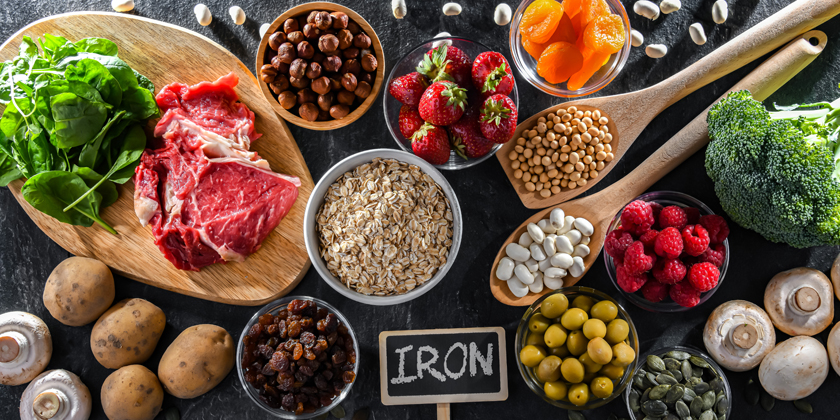
For most people, a balanced diet is enough. Iron-rich foods include:
Lean red meats, liver, and seafood
Legumes (beans, lentils, chickpeas)
Spinach, tofu, and fortified cereals
Nuts and seeds
Pairing plant-based iron with vitamin C (like citrus, strawberries, or bell peppers) boosts absorption naturally.
Regular screening, especially for women, vegetarians, and those with a family history of hemochromatosis, helps catch problems early. Small changes in diet and awareness can make a major difference in preventing lifelong complications.
The Takeaway
Iron is both a lifeline and a potential hazard. It fuels the oxygen that sustains every cell, but too much can oxidize and corrode from within. In the modern world, where supplements are easily accessible, the most powerful tool is knowledge, not a pill bottle.
Maintaining healthy iron levels isn’t about chasing “more.” It’s about finding the right balance, where the body thrives, not just survives.
Sources
Camaschella, C. (2019). Iron-deficiency anemia. New England Journal of Medicine, 381(12), 1148–1157.
Pietrangelo, A. (2015). Hereditary Hemochromatosis: Pathogenesis, Diagnosis, and Treatment. Gastroenterology, 149(5), 1240–1251.
Mayo Clinic Staff. Iron deficiency anemia – Diagnosis & treatment. Mayo Clinic; updated Sep 20, 2025.
MedlinePlus. Iron deficiency anemia. U.S. National Library of Medicine; review date 4/1/2025.
National Institutes of Health, Office of Dietary Supplements (NIH ODS). Iron - Fact Sheet for Health Professionals. Updated September 2025.
National Institute of Diabetes and Digestive and Kidney Diseases (NIDDK). Hemochromatosis. Updated 2020.
Assessed and Endorsed by the MedReport Medical Review Board


