


How is the Positive Aging Mindset Impacted by Medical Conditions like Dementia?
- jacoblindbert
- Jan 13
- 5 min read
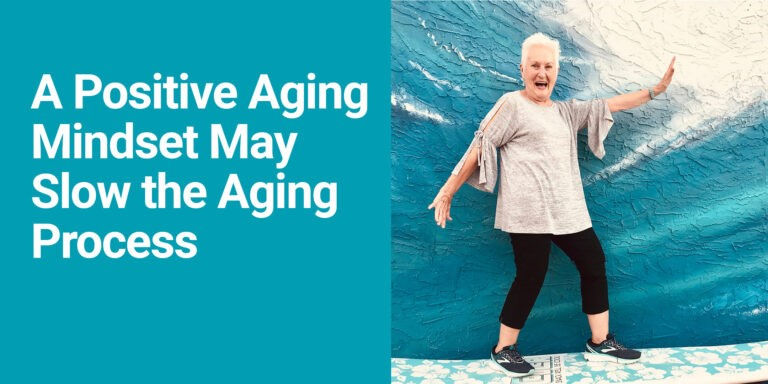
When one thinks of retirement today, one thinks of a transition to a whole new life as opposed to a continuation of the old one. “‘Positive aging’ tends to dissociate aging from disease; present activity as a key to health and happiness in later life; and emphasize the possibility of expanding mid-life and postponing old age” (Rudman 2). This idea of positive aging has changed the way that we evaluate the retirement years. They are no longer gloomy and sad but have now been re-vamped as the beginning of a new stage of life. While this thinking is great, for those diagnosed with dementia, their reality might be vastly different, having no control in how the disease may develop or impact them daily. Unlike many life transitions that are shaped by choice and planning, the onset and progression of dementia often lie beyond an individual’s control. The diagnosis of such a condition can challenge, disrupt, or even overturn the very mindset of positive aging. For many living with dementia — or supporting someone who is — the idea of growing older in an environment that should be filled with freedom and independence, must be reconciled with the sad reality of the progressive cognitive decline, loss of identity, and a decrease in levels of autonomy. When dementia enters the picture, the governance of choice and autonomy becomes fraught, raising difficult questions about how the positive aging mindset can adapt.
What is dementia?
Before diving deeper into the positive aging mindset and how individuals may be impacted on a day-to-day basis, it is important to take a step back in order to define and understand what dementia is and how it actually impacts people. While many are familiar and have heard of or know someone with the medical condition, it is still important to establish a baseline understanding. Dementia is the loss of cognitive functioning — thinking, remembering, and reasoning — to such an extent that it interferes with a person's daily life and activities (National Institute on Aging, 2022). This condition can affect people in a variety of different ways, resulting in physical, mental, personality, etc. changes for that individual. On a cellular level, dementia is the result of neurons in the brain ceasing to properly fire and function. When these cells die, parts of the brain and activity are no longer able to properly work, resulting in the range of symptoms that are generally experienced. It is also why symptoms can change with time and why memory and motor function can drastically decrease.
Although many use the term dementia to encompass all of those impacted, there are actually many different types that affect individuals in different ways. The most common form of dementia is Alzheimer’s disease and is the result of the brain experiencing abnormal buildups of plaques. Vascular dementia is a form caused by damage in the blood vessels of the brain, interrupting the flow of blood and oxygen to the brain. Several other types, including frontotemporal dementia and Lewy body dementia, are both characterized by different buildups of proteins in the brain. As time moves on and more is understood about dementia and how it impacts an individual, researchers are attempting to determine new modes of treatment in effort to reduce or eliminate the widespread prevalence of dementia throughout the United States and world.
How does dementia impact positive aging?
As individuals grow older, the risk for dementia increases yielding a new set of challenges for these individuals and their families:
1) The loss of control and autonomy: One of the central pillars of positive aging lies in remaining in control of one’s life. Medical conditions like dementia can drastically shift this mindset, yielding uncertainty for that person’s future. With dementia, the trajectory is often unpredictable, and cognitive decline may reduce one’s ability to make decisions, drive, live independently, or continue meaningful activities.
2) The shift in identity, purpose, and self: Medical conditions like dementia can often cause shifts in personality or mood, that may not represent who they were throughout the rest of their life. This can be difficult for family members, friends, or caregivers involved in that person’s life or in their care. In addition to this, as many retire and move into that next phase of life, they tend to take on new roles, either volunteering in their community, being grandparents, leading social groups, etc. As dementia progresses, these roles may no longer be possible for that individual, causing them to lose their sense of purpose, feeling less connected and purposeful to who they might once have been.
3) Social isolation and stigmatization: Many medical conditions can cause an individual to feel ostracized from others and from society. Dementia is no different, with many becoming socially isolated due to cognitive changes or feelings of anxiety/stigma related to the condition. This isolation undermines the entire framework of positive aging, creating a negative cycle for that person.
4) Emotional burden and caregiving strain: Family members and caregivers often face high levels of stress and burnout related to care for someone impacted with the disease. Many with dementia can feel this, and the feeling of being a burden can only heighten social isolation and how they feel about themselves.
Each of these factors can seriously and significantly impact all with dementia, negatively affecting how they are able to live their lives. Additionally, it can shift various opportunities for community engagement that many aim to seek out after retirement.
Instilling the Positive Aging Mindset in the Face of Dementia
Despite the challenges, maintaining a version of the positive aging mindset remains not only possible but important when dementia is present. Even though dementia is serious and may disrupt what an individual is able to physically or mentally do, it is important to still attempt to provide avenues for them to maintain autonomy and the power of choice. This could be as simple as asking if someone would prefer to listen to music or watch tv, or whether they want a peanut butter sandwich or soup. This simple opportunity to have choices can be instrumental in fostering independence and a sense of control. Additionally, a mindset shift from ‘what I used to do’ to ‘what I can still do’ can help individuals as well. Focusing on what they can do is far more important than focusing on what they may have lost with time or as a result of the medical condition. Promoting a sense of community and engagement can help fight feelings of isolation and foster a sense of purpose and belonging. Lastly, this positive aging mindset includes caregivers, where it is equally as important for caregivers to take time to recharge and have a community around them. Overall, by viewing dementia not simply as an end of positive aging but as a different pathway within aging, we can reshape how society supports older adults. This positive aging mindset becomes less about perfect health and endless autonomy and more about dignity, meaning, connection, and resilience even in the face of disease.
Sources
National Institute on Aging. (2022, December 8). What Is Dementia? Symptoms, types, and Diagnosis. National Institute on Aging. https://www.nia.nih.gov/health/alzheimers-and-dementia/what-dementia-symptoms-types-and-diagnosis
Rudman, Debie Laliberte 2006 “Shaping the active, autonomous and responsible modern retiree: an analysis of discursive technologies and their links with neo-liberal political rationality” Ageing & Society, 26(2): pp. 181 – 201. DOI: https://doi.org/10.1017/S0144686X05004253
Assessed and Endorsed by the MedReport Medical Review Board

