How AI Is Changing Anesthesia Monitoring


Artificial intelligence (AI) is rapidly transforming modern medicine and anesthesiology is no exception. Anesthesia monitoring has relied heavily on the anesthesiologist’s ability to interpret vital signs and adjust medications in real time. But with AI technology such as machine learning (ML) and deep learning (DL), anesthesia monitoring has become more precise, data driven, and personalized (1). These advancements are changing how care is delivered before, during, and after surgery and are improving patient safety, but there are some limitations to this.
The Role of AI in Anesthesia Monitoring
AI is technology that allows computers to learn from data and make decisions, similar to how humans think. In healthcare, techniques like machine learning and deep learning allow systems to recognize patterns in complex medical data (1). In anesthesiology, this means AI can continuously monitor physiological signals and assist
anesthesiologists in making decisions. Unlike traditional monitoring, AI systems can process multiple data sources at once, including electroencephalograms (EEG), electrocardiograms (ECG), and other vital signs. This allows for a more comprehensive understanding of a patient's condition during surgery (1). As a result, AI improves both the speed and accuracy of detecting changes in a patient.
Monitoring and Decision Support
One of the most important ways AI is changing anesthesia monitoring is through analysis. During surgery, anesthesiologists have to constantly adjust anesthesia levels to maintain patient stability. AI systems can analyze physiological data instantly and provide early warnings for potential complications such as low blood pressure or inadequate sedation (1). For example, deep learning models have been developed to measure the depth of anesthesia by analyzing brain signals. These systems can determine whether a patient is fully unconscious or at risk of waking up during surgery (1). Also Ai can help in predicting how a patient will respond to certain drugs. AI can analyze past medical data and real time signals to help guide precise dosing, making sure that the patients receive the correct amount of anesthesia.
Benefits for Patient Safety
The integration of AI into anesthesia monitoring can really improve patient safety. AI systems can detect subtle changes in vital signs that may be missed by humans, which can allow for early intervention (1). They also reduce the risk of human error by providing consistent and data driven recommendations. AI helps make patient care more consistent no matter which doctor is treating them. This ensures that all patients receive high quality monitoring regardless of the anesthesiologist experience level (2).
Challenges and Limitations
Despite its advantages, AI in anesthesia monitoring also faces challenges. One major issue is the availability and quality of data. AI models need large and diverse datasets to function effectively, but many of the current datasets are limited to specific
patient groups or procedures (1). Another concern is privacy, since anesthesia uses personal patient data, so it must be kept safe. Additionally, AI is not meant to replace anesthesiologists. Instead it serves as a tool to support and help with decisions. Doctors still need to watch closely to make sure patients stay safe.
Future of AI in Anesthesia Monitoring
As technology continues to advance, AI is expected to play an even greater role in anesthesiology. Future systems might provide fully personalized anesthesia plans based on each patient's characteristics. Better data and improved AI will make monitoring and predictions more accurate (1). By using both doctors and technology together, anesthesia is entering a new era of safety and precision.
References
1. Cao Y, Wang Y, Liu H, Wu L. Artificial intelligence revolutionizing anesthesia management: advances and prospects in intelligent anesthesia technology. Frontiers in Medicine. 2025 Aug 6;12. Available from: https://pmc.ncbi.nlm.nih.gov/articles/PMC12364868/ 2. AI In Anesthesia; Transforming Patient Safety And Enhancing Anesthesia Delivery - Psmf.org [Internet]. Patient Safety Movement Foundation. 2025. Available from: https://psmf.org/psmf-blog/ai-in-anesthesia-transforming-patient-safety-and-enhancing-anesthesi a-delivery/
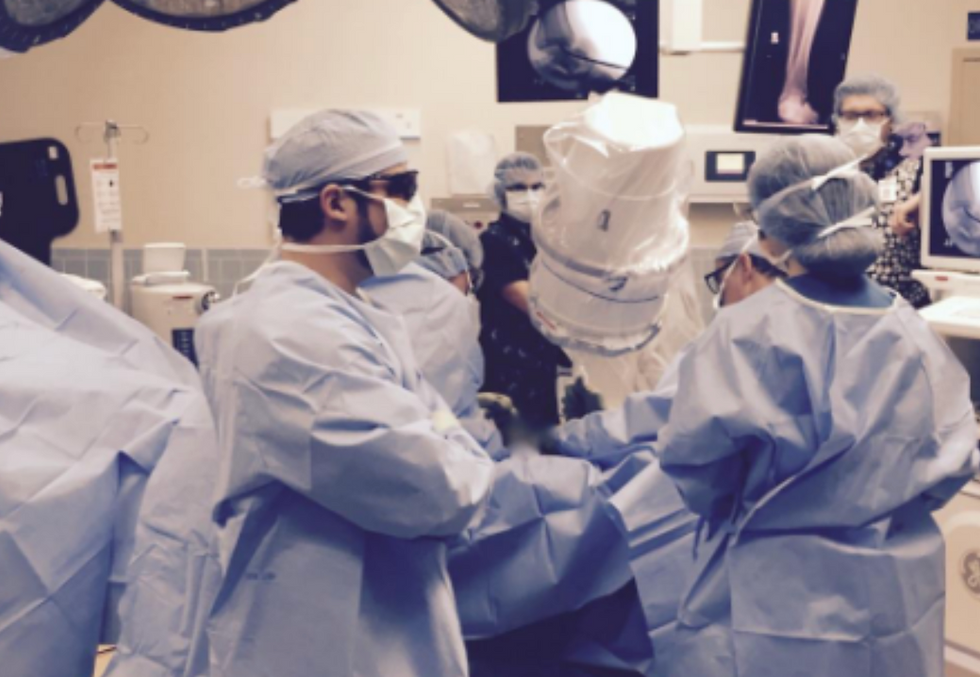
3. AI-Enhanced Anesthesiology Part One: The Future of Patient Care» Department of Anesthesiology» College of Medicine» University of Florida [Internet]. Available from: https://anest.ufl.edu/2023/11/29/ai-enhanced-anesthesiology-the-future-of-patient-care-part-one/ (Source for figure above)
Assessed and Endorsed by the MedReport Medical Review Board