


Gingivitis: The Early Warning Sign of Gum Disease

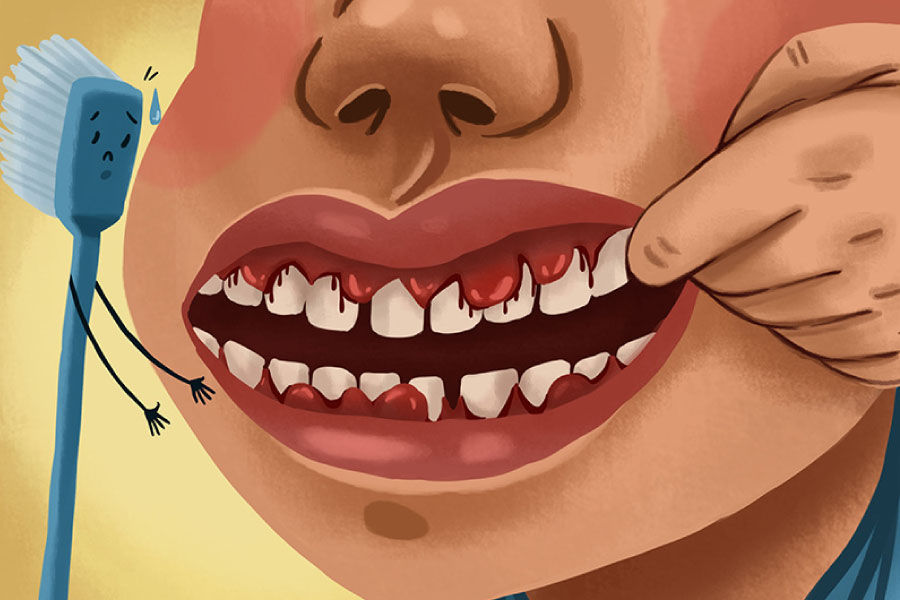
Understanding Gingivitis
What are Gingivitis?
Gingivitis is inflammation of the gums surrounding the teeth. It is the earliest stage of gum disease.
Why is it important to treat gingivitis promptly?
Gingivitis causes irritation, redness, swelling, and bleeding of the gingiva, which is the part of the gum surrounding the base of the teeth. Although gingivitis itself does not cause bone loss, if left untreated, it can progress to a more serious gum disease called periodontitis, potentially leading to tooth loss.
Causes and Early Signs
Why Gingivitis Happens?
The main cause of plaque build-up and gingivitis is poor oral hygiene. If you’re not brushing properly or often enough, plaque can accumulate on your teeth and harden into tartar (calculus). Plaque bacteria feed on free sugars and starches in your diet, too, so eating lots of these foods can also contribute to build-up.
Other contributing factors include:
Tobacco use – Smoking or chewing tobacco makes gums more vulnerable.
Hormonal changes – Puberty, pregnancy, or menopause can make gums more sensitive.
Poor nutrition – Lack of vitamins, especially vitamin C, affects gum health.
Certain medications – Some medicines reduce saliva or irritate gums.
Systemic conditions – Diseases like diabetes can make gums more prone to inflammation.
Early Symptoms
Gingivitis symptoms may not be obvious in the early stages, so a person may have the condition without realizing it. As the disease progresses, common signs include:
Persistent bad breath that does not improve with brushing
Gums that bleed easily, particularly during brushing
Red and swollen gums
Sensitivity to hot or cold foods
Tenderness or pain while chewing
Prevention
There are some simple measures that can help keep your gums healthy and prevent inflammation. These include:
Brushing twice a day with fluoride toothpaste using a soft-bristled toothbrush
Using an antiseptic mouth rinse at least once a day
Visiting the dentist regularly for check-ups
Reducing the intake of high-sugar foods
Quitting smoking or using any form of tobacco
Sources
Assessed and Endorsed by the MedReport Medical Review Board


