


From Puddles to Patients: The Rising Risk of Leptospirosis
Zoonotic diseases, or diseases that may be transmitted between animals and humans, have been a prevalent issue for centuries. The most recognized zoonotic diseases include foodborne pathogens like E. coli or Salmonella, tick or mosquito-borne diseases such as Lyme disease and West Nile Virus respectively, and viral infections such as Coronavirus, Rabies, and Influenza (avian/swine).
An under-discussed but incredibly relevant zoonotic disease is Leptospirosis, derived from the Leptospira bacteria that can cause severe illness in both humans and animals alike. If you have a furry friend at home, chances are your pet may be vaccinated annually to prevent Leptospirosis infection. As of 2024, the Leptospirosis vaccine has become a core vaccine for canines due to high susceptibility and transmission rates.
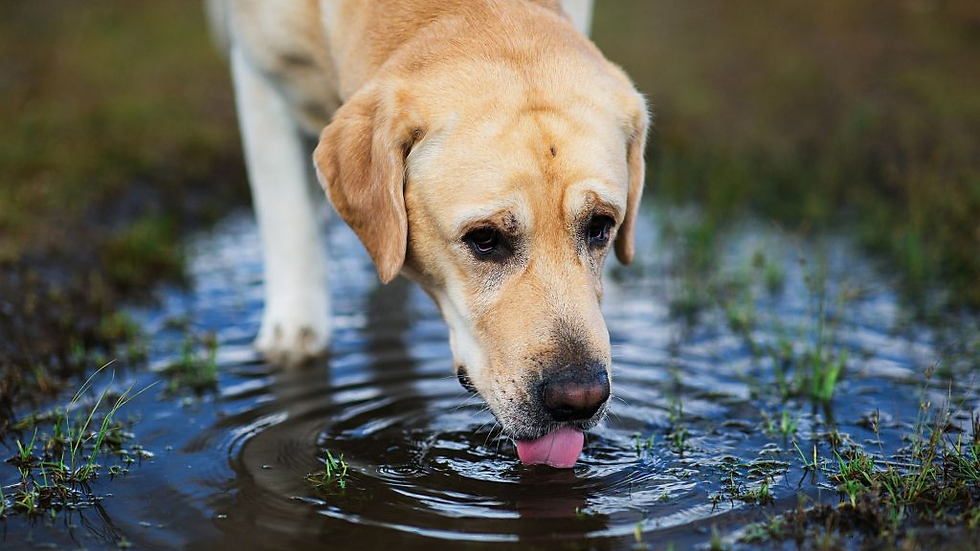
Transmission of Leptospirosis occurs when infected urine most commonly from wildlife or rodents gets in contact with mucous membranes (ie. open wounds, mouth, nose, etc.) As a result, our pets are more susceptible to infection due to more frequently engaging with wildlife and potentially contaminated water. Rates of Leptospirosis typically increase after heavy rainfall, flooding, or hurricanes occur. While Leptospirosis is most commonly found in tropical areas or areas with a high rodent population, it is still one of the leading zoonotic diseases worldwide with cases rising recently in California. One of the difficulties with the management of Leptospirosis is the bacteria's ability to live in freshwater and soil for weeks to months, in spite of any extreme temperatures.
Leptospirosis can present very differently between humans and dogs. For humans, flu-like symptoms are very common which include but are not limited to:
Headaches
Chills
Body aches
Fatigue
Fever
Nausea/vomiting
Some symptoms that are more unique to Leptospirosis infections in humans include:
Jaundice: Yellowing of the skin or whites of eyes due to excess bilirubin- a pigment typically broken down by the liver in healthy individuals.
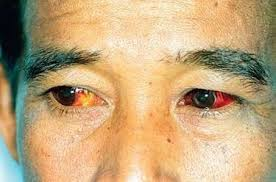
Conjunctival Suffusion: Not to be confused with Conjunctivitis (more commonly known as "Pink Eye.") Characterized by intense redness of eyes without discharge, pus, inflammation, or itch. It is a more common visual symptom of early Leptospirosis infection in humans.
In animals this frequently presents differently, with a bit of overlap. Our pets are unable to communicate what is going on internally, but common symptoms include:
Loss of appetite
Abdominal pain
Vomiting
Diarrhea
Dehydration
Drinking or urinating more than usual
Weight loss
Jaundice
Lethargy
Stiffness or muscle pain
Treatment for Leptospirosis is time-sensitive for all patients due to its potential to seriously damage internal organs. It is generally recommended to start antibiotics immediately upon suspicion before confirming diagnostically for both humans and animals alike. Untreated patients could develop multi-organ failure, respiratory distress or failure, meningitis, and death can occur. Leptospira is an especially difficult bacteria to manage on a wide scale for a number of reasons, one being due to its ability to transfer genes horizontally. When we think about gene mutation, we typically think about "vertical transmission" where genes are passed down from parent to offspring. Horizontal transmission is when a bacteria can acquire new genetic material while alive; either through direct contact with other cells, environmental interaction, engagement with viruses, or through shifting genetic material between DNA molecules.
How can we prevent the spread of the disease? While there is no clinically effective prevention in humans at this time, annual vaccination for dogs and livestock is fundamental to controlling the spread of disease. On a global scale, accurate detection of infection coupled with implementation of appropriate management strategies are effective tools to manage disease spread. Tests for detection include but are not limited to:
Culture: Isolating the bacteria of interest (ie. Leptospira) and growing the bacteria in a nutrient-rich formula
Histopathology: Microscopic examination of tissues to evaluate disease on a cellular level
Immunostaining of Tissues/ Clinical Specimens: Detecting the location of antigens (foreign bodies ie. leptospira) microscopically to identify disease location
Nucleic Acid Amplification Tests: Making many copies of the target's genetic material to detect infections
Vaccination coupled with widespread diagnostics and environmental management and monitoring are effective tools for controlling the spread of Leptospirosis among other zoonotic diseases. If you notice your pet display any abnormal behaviors or aforementioned symptoms, it is important to consult with a veterinarian. While zoonotic diseases feel prevalent and overwhelming, staying informed is the first step towards reducing the rate of infection and keeping those around us, including our furry friends, safe.
Sources:
Assessed and Endorsed by the MedReport Medical Review Board


